
Lifestyle Changes and Blood Pressure
There are several lifestyle changes that can help in lowering blood pressure and also be beneficial to other aspects of your physical and mental health well-being.
“Normalizing blood pressure is important in the prevention of heart disease, stroke, kidney disease and certain dementias,” Medical Center Dr. Suzanne Romeo said, adding that the lifestyle factors below should be part of any treatment program for hypertension:
- Losing weight: Men are at risk of increased blood pressure if their waist measurement is greater than 40 inches; this also applies to women whose waist measurement is greater than 35. Even small amounts of weight loss can help.
- Lowering sodium and salt intake: Processed foods, including seemingly innocent condiments and cheeses, are some of the worst offenders. Following the DASH diet is a great guideline for a low sodium regime. Make it a habit to read food labels.
- Exercising regularly: Aim for 30 minutes of moderate physical activity daily. This can help to keep blood pressure that is slightly elevated from becoming hypertension.
- Sleeping: Have a regular sleep schedule and aim for seven hours of sleep nightly.
- Stress management: Reducing stress is important for blood pressure, heart health, mental health and general well-being.
- Alcohol and smoking: Limit alcohol intake and don’t smoke. Alcohol intake can also affect blood pressure medications.
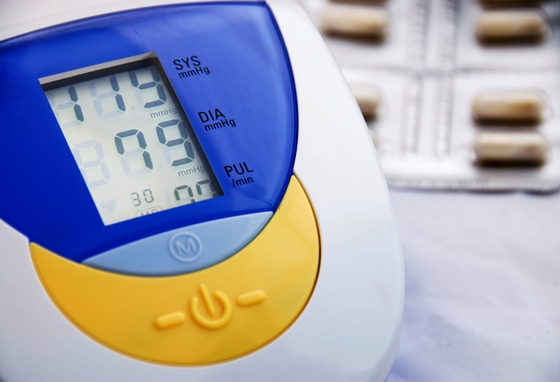
There are many available home blood pressure monitors such as Omron, Hillrom-Welch Allen and A&D Medical. Many devices can connect to your smartphone via Bluetooth. You can periodically check the accuracy of your blood pressure monitor by bringing it with you to your doctor’s office and comparing its readings to those taken by your doctor or nurse during your visit. ValidateBP is a good resource for help choosing a quality monitor.
Mark your calendar for March 24, when the next lecture in this season’s Medical Center Lecture Series will feature Baljash Cheema, M.D., of Northwestern Medicine in Chicago. Dr. Cheema will speak about “Human Longevity & Healthy Aging: Research & Clinical Advances at Northwestern Medicine.”